For people waiting for a kidney transplant, the search for a good match is like searching for a needle in a haystack. The better the match, the longer the transplant lasts and the lower the risk of rejection. But matching isn’t just about blood type – it’s far more complex. Now, researchers at Hammersmith Hospital in London are launching a pilot scheme that could double the matching precision and potentially save hundreds of kidney transplants every year.
What is blood matching in kidney transplants?
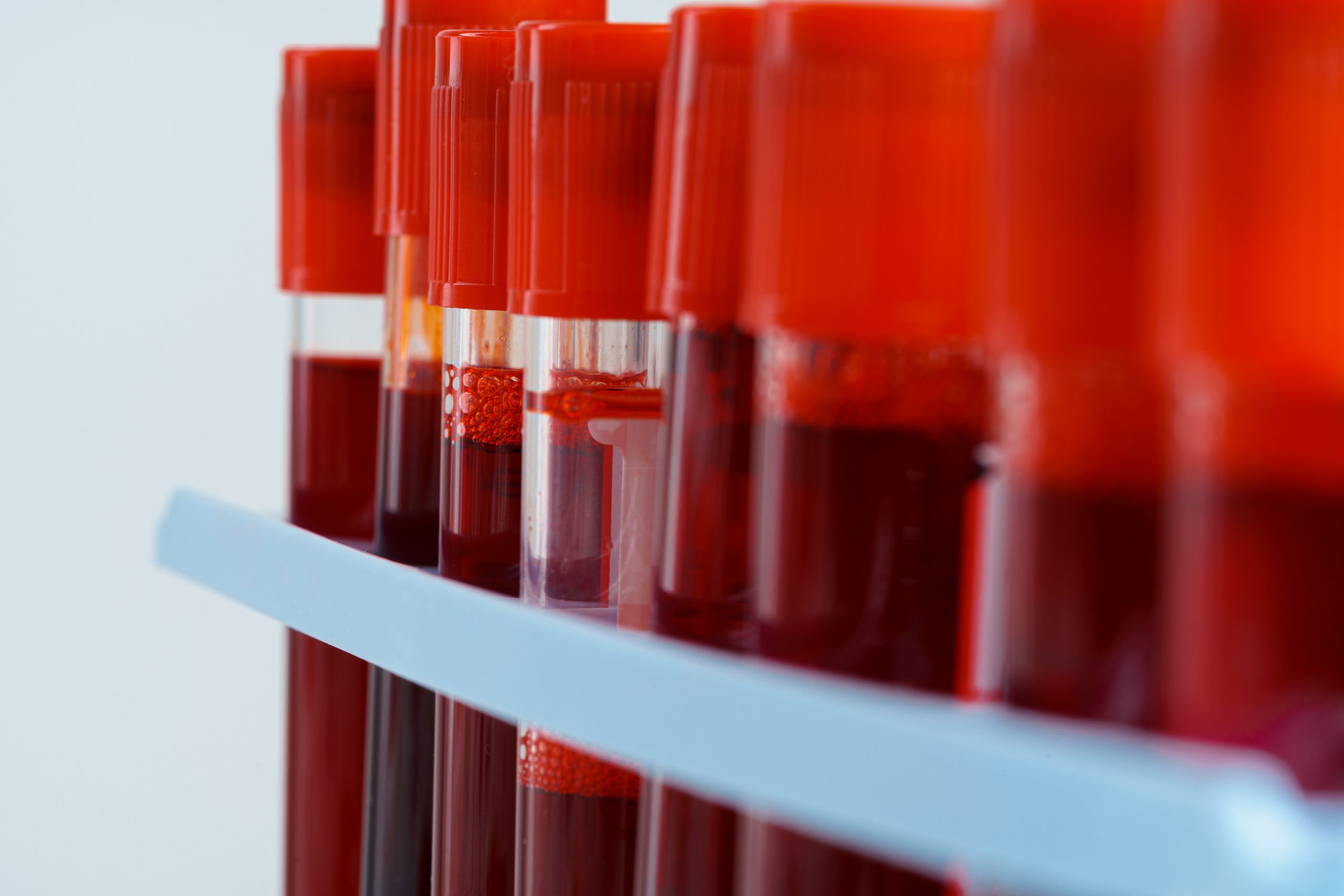
Currently, when kidney transplant patients need a blood transfusion (which about two in five will need before or after their transplant), the blood is matched by red blood cell type. But this isn’t the whole story. The immune system is more sophisticated than that.
In addition to red blood cells, we all have white blood cells with specific types called HLA (Human Leukocyte Antigen) markers. If a transfusion contains blood with HLA types that don’t match the patient’s, the patient’s immune system may create antibodies against those types. Later, if those same antibodies encounter the newly transplanted kidney, they can attack it – increasing the risk of rejection.
The Hammersmith Hospital pilot scheme is “double matching” blood: matching not just red blood cells, but white blood cell types as well. This means the transfused blood is far more compatible with both the patient’s existing immune system and their new kidney.
You can read the full original article from BBC News here: Hammersmith Hospital trial to double match blood for kidney transplants.
Better blood matching could improve transplant outcomes
This research matters because it addresses a real problem: some patients who’ve had previous transfusions or transplants develop antibodies that make them “sensitised” – far harder to match. People waiting for a second or third transplant, or those who’ve needed multiple transfusions, can end up waiting years longer than average. Some patients have waited over a decade.
Better matching technology means more patients get the transplants they’re waiting for, and those transplants last longer. That’s a direct win for kidney patients.
– Guy Hill, Chair of MRIKPA
According to NHS Blood and Transplant, if the pilot is successful and rolled out nationally, around 100 kidney transplants per year could be saved – organs that would otherwise fail. For the individuals receiving those transplants, the difference is life-changing. Instead of returning to dialysis, their new kidney continues to work.
A single-centre trial with wider implications
The Hammersmith Hospital pilot scheme is currently running. It’s a six-month trial specifically for kidney transplant patients who need blood transfusions at that hospital. If successful, the NHS has said it could be rolled out to other transplant centres across the country.
This does not mean that double-matched blood is available everywhere yet, and it’s not guaranteed that all patients will be able to access it immediately. However, it represents progress – a concrete, testable approach to improving outcomes for the most difficult-to-match patients.
If you’re waiting for a kidney transplant and are heavily sensitised (due to previous transfusions or transplants), speak with your transplant team about whether you might be eligible for the pilot scheme or future double-matching programmes. They’ll have the most current information about what’s available in your area.
For more information about kidney transplantation, visit our pages on living with transplants and organ donation.
If you have questions about your transplant prospects, contact MRIKPA at support@mrikpa.org.uk or call 07745 242 684.
Source: NHS Blood and Transplant and Imperial College Healthcare NHS Trust. “Kidney Transplant Patients to Get Blood Matched for White Blood Cells,” 2024.
This article is provided for general information and awareness purposes only and was believed to be accurate at the time of publishing. It is not intended as medical advice – please always consult your doctor or renal team for guidance on your individual circumstances. Images used are for illustration purposes only and may not be medically or editorially accurate. While we take every care, errors can occur. If you spot an inaccuracy, please let us know at support@mrikpa.org.uk.