For anyone living with kidney disease, the possibility of a transplant brings both hope and uncertainty. The waiting, the assessments, and the long-term monitoring that can feel overwhelming are part of the transplant journey. That is why new research exploring how kidney transplant MRI scanning could improve both donor assessment and post-transplant care is worth paying close attention to.
What is the kidney transplant MRI research about?
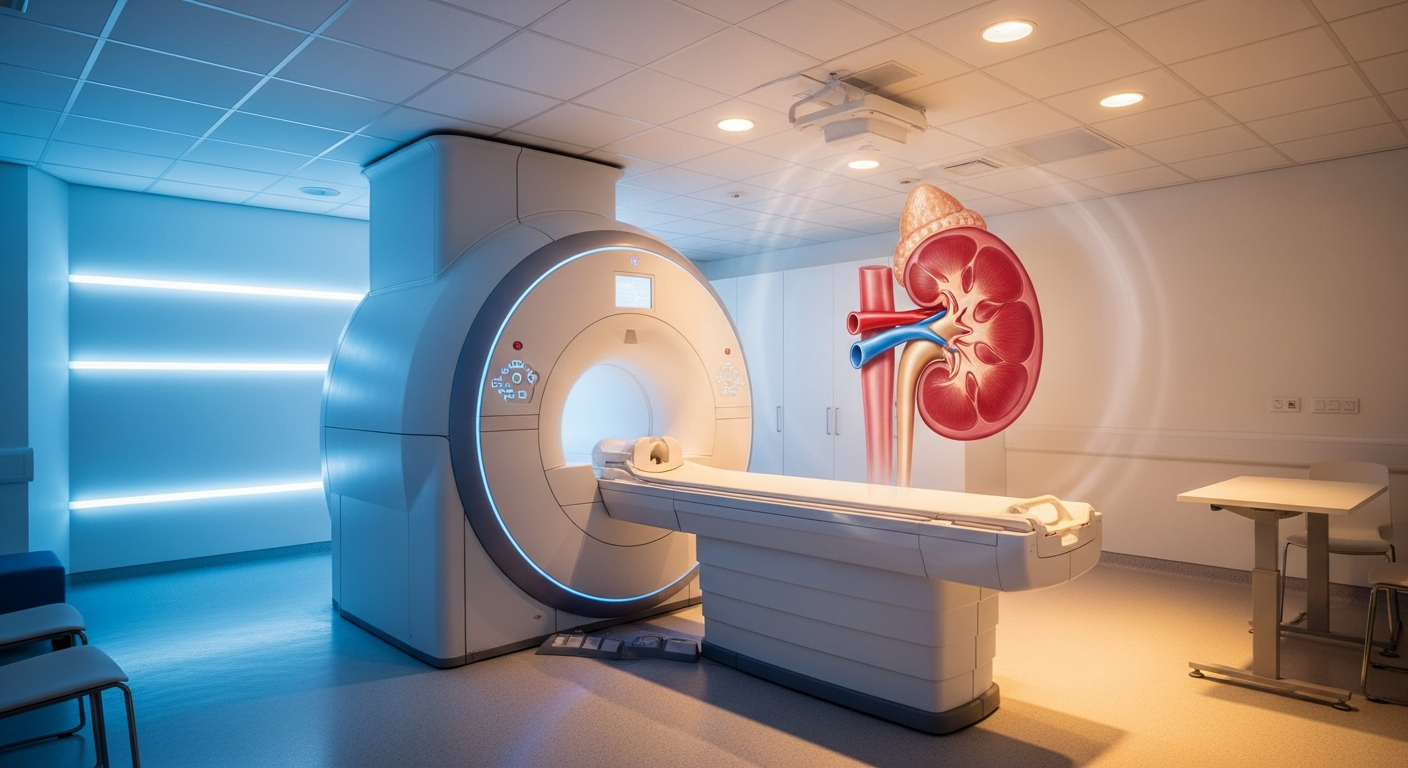
In January 2026, a first-in-human clinical study called ADMIRE began at the Oxford Transplant Centre, part of Oxford University Hospitals. Led by Professor Maria Kaisar of the University of Oxford, the study is testing whether advanced MRI scanning can be used to examine donor kidneys before transplantation, and then scan recipients again around three months after surgery.
The goal is to find out whether kidney transplant MRI scans could provide clinicians with a more objective, non-invasive way to assess donor kidney quality and monitor how well the organ is functioning afterwards. At present, transplant teams rely on clinical judgement, donor history, blood tests, and sometimes invasive biopsies. A reliable MRI-based assessment could add valuable information without repeated procedures.
You can read more about the ADMIRE study from the University of Oxford here: Testing the feasibility of MRI scanning for the assessment and monitoring of kidneys before and after transplantation.
Why this matters for kidney patients
According to Kidney Research UK, nearly 7,000 people are currently waiting for a kidney transplant in the UK. Many of those individuals live with the daily reality of dialysis, uncertainty about timing, and difficult conversations about donor suitability.
Research that improves donor kidney assessment could, over time, help transplant services make better use of the organs that become available. For transplant recipients, a non-invasive kidney transplant MRI scan could eventually offer earlier reassurance when things are going well, and earlier warning when they are not, reducing the need for invasive biopsies.
For people in Greater Manchester and the North West, the expertise at Manchester Royal Infirmary which carries out over 200 kidney transplant procedures each year, means that any improvements in assessment and monitoring could directly benefit local patients.
What should patients expect?
It is important to be clear: kidney transplant MRI scanning is not yet part of routine NHS care. The ADMIRE study is a feasibility trial, asking whether this approach can be safely and practically built into the transplant pathway. Further clinical trials will be needed before any new approaches could be offered to patients. What these studies do show is that researchers are actively working on real problems that matter to kidney patients: how to assess donor kidneys more accurately and how to monitor transplanted organs without always relying on invasive procedures.
If you have questions about your own transplant care or patient journey, your renal team remains the best source of individual advice.
At MRIKPA, we welcome research that aims to improve both decision-making and long-term outcomes for kidney patients. Progress in kidney care does not only come from new medicines, it also comes from better diagnostics and better monitoring. We have previously written about how a sentinel skin patch could offer another non-invasive approach to detecting transplant rejection.
We will continue to follow developments and share updates as the evidence becomes clearer. If you would like to explore more about kidney research, please visit our latest research and news page.
If you or a family member would like to know more, or if you just need someone to talk to, our MRIKPA volunteers are here. Contact us at support@mrikpa.org.uk or call 07745 242 684.
This article is provided for general information and awareness purposes only and was believed to be accurate at the time of publishing. It is not intended as medical advice — please always consult your doctor or renal team for guidance on your individual circumstances. Images used are for illustration purposes only and may not be medically or editorially accurate. While we take every care, errors can occur. If you spot an inaccuracy, please let us know at support@mrikpa.org.uk.