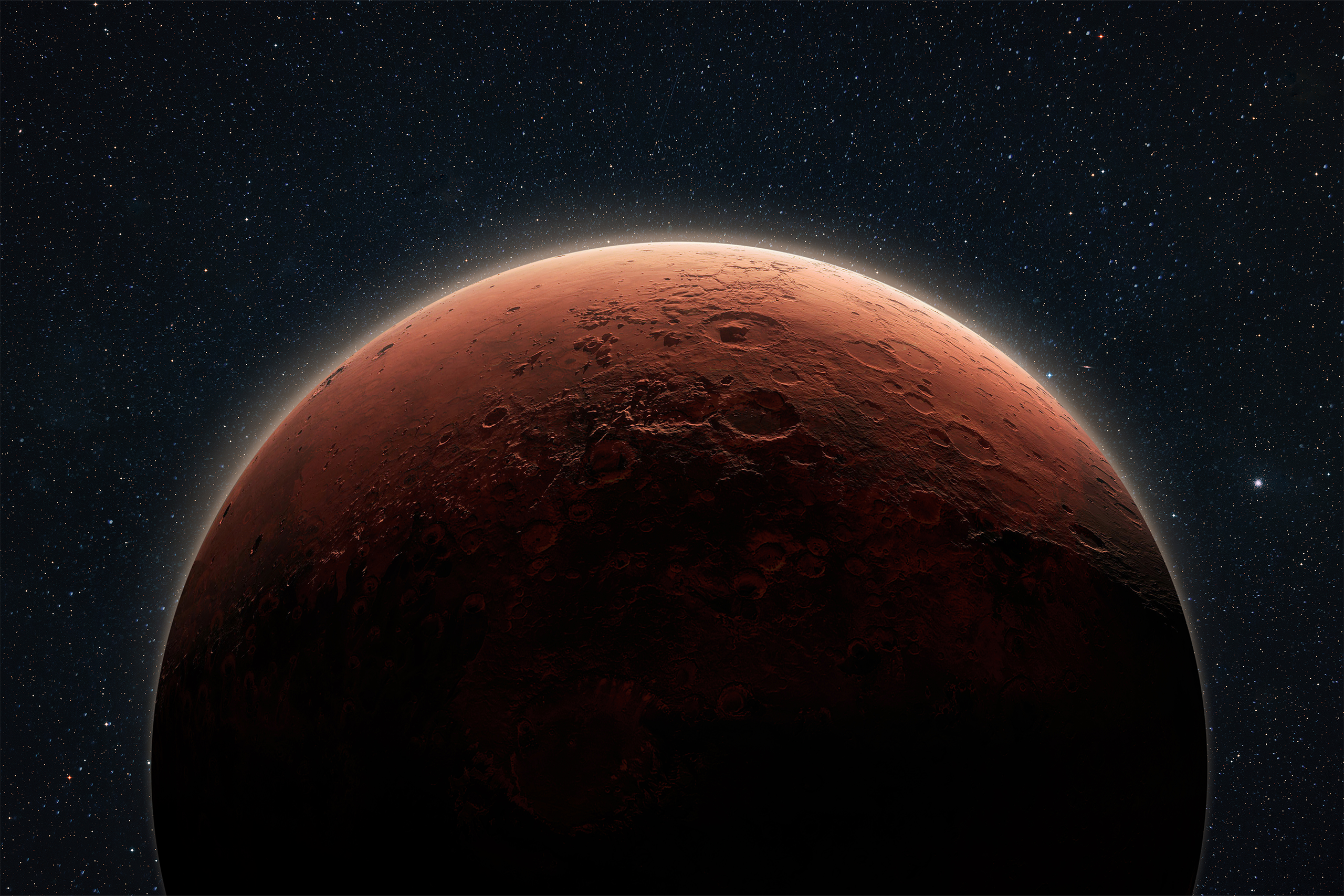
For many people living with kidney disease, the daily challenges of managing their condition are more than enough to contend with. But a fascinating piece of space kidney research from University College London has raised an unexpected question: what would happen to astronauts’ kidneys on a mission to Mars? While space travel might seem a world away from the realities of renal care, the findings have real implications for our understanding of how kidneys respond to extreme stress, and for the future of space kidney research here on Earth.
How does space travel affect the kidneys?
According to the study, published in Nature Communications in June 2024, space flight causes significant changes to kidney structure and function. The research team analysed data from more than 40 Low Earth Orbit missions, together with simulation studies involving mice exposed to radiation doses equivalent to a Mars round-trip of up to 2.5 years. This is the largest analysis of space kidney research to date, and it includes the first health data from commercial astronauts.
The researchers found that kidney tubules, which are responsible for regulating calcium and salt balance, showed signs of shrinking after less than a month in space. More critically, mice exposed to simulated deep-space galactic cosmic radiation experienced permanent kidney damage and loss of function. In the article, the study’s lead author Dr Keith Siew discusses how the findings suggest that without new protective measures, astronauts travelling to Mars could face such severe kidney problems that they might require dialysis during the return journey.
You can read the full original article from UCL here: Would astronauts’ kidneys survive a roundtrip to Mars?
Space kidney research with earthbound benefits
At MRIKPA, we recognise that this space kidney research, while focused on space exploration, could have meaningful benefits for kidney patients closer to home. Understanding how radiation damages kidney tissue at a cellular level could open new avenues for protecting kidneys during cancer radiotherapy, a treatment that many people with kidney disease may encounter. The study also sheds light on how kidneys process salt under stress, which is relevant to the millions of people managing chronic kidney disease through careful dietary and fluid management.
Research like this reminds us that advances in kidney science can come from surprising places. What scientists learn about protecting kidneys in space could one day help us better protect and treat kidneys here on Earth, and that is something worth following closely.
Guy Hill, Chair of MRIKPA
For people in Greater Manchester and the North West, Manchester Royal Infirmary remains at the forefront of renal care and transplant services. While space-based kidney research may feel distant, the underlying science feeds directly into the broader effort to understand and protect kidney health for everyone.
Fascinating findings, but still early-stage science
It is important to note that this space kidney research is still at a relatively early stage. The most concerning findings about permanent kidney damage came from animal studies using simulated radiation, not from human astronauts. There is a long way to go before these results translate into practical treatments or protective measures, whether for space travellers or for kidney patients on Earth. As always, if you have questions about how any research might relate to your own kidney care, your renal team remains the best source of personalised advice.
At MRIKPA, we will continue to follow developments in kidney science, wherever they come from. You can explore more of our research coverage on our Research and News page, or visit our Patient Knowledge Bank for practical information about living with kidney disease.
If you would like to talk to someone about this research or anything else related to kidney health, our volunteers are always happy to hear from you. Get in touch at support@mrikpa.org.uk or call us on 07745 242 684.
Source: University College London, June 2024 – read the original article
This article is provided for general information and awareness purposes only and was believed to be accurate at the time of publishing. It is not intended as medical advice – please always consult your doctor or renal team for guidance on your individual circumstances. Images used are for illustration purposes only and may not be medically or editorially accurate. While we take every care, errors can occur. If you spot an inaccuracy, please let us know at support@mrikpa.org.uk.